

Myofascial Release in Langley, BC
A Thoughtful Approach to Working With Soft Tissue
Myofascial release refers to manual techniques that may be incorporated into Registered Massage Therapy when appropriate to your physical presentation.
Rather than following one predetermined technique or treatment routine, your RMT considers the joints and soft tissues involved, your assessment findings, comfort, preferences, and treatment goals when deciding how myofascial techniques may fit into your care.
At MICRO MVMT & HEALTH CO., treatment is individualized to you—not simply to the name of a technique.
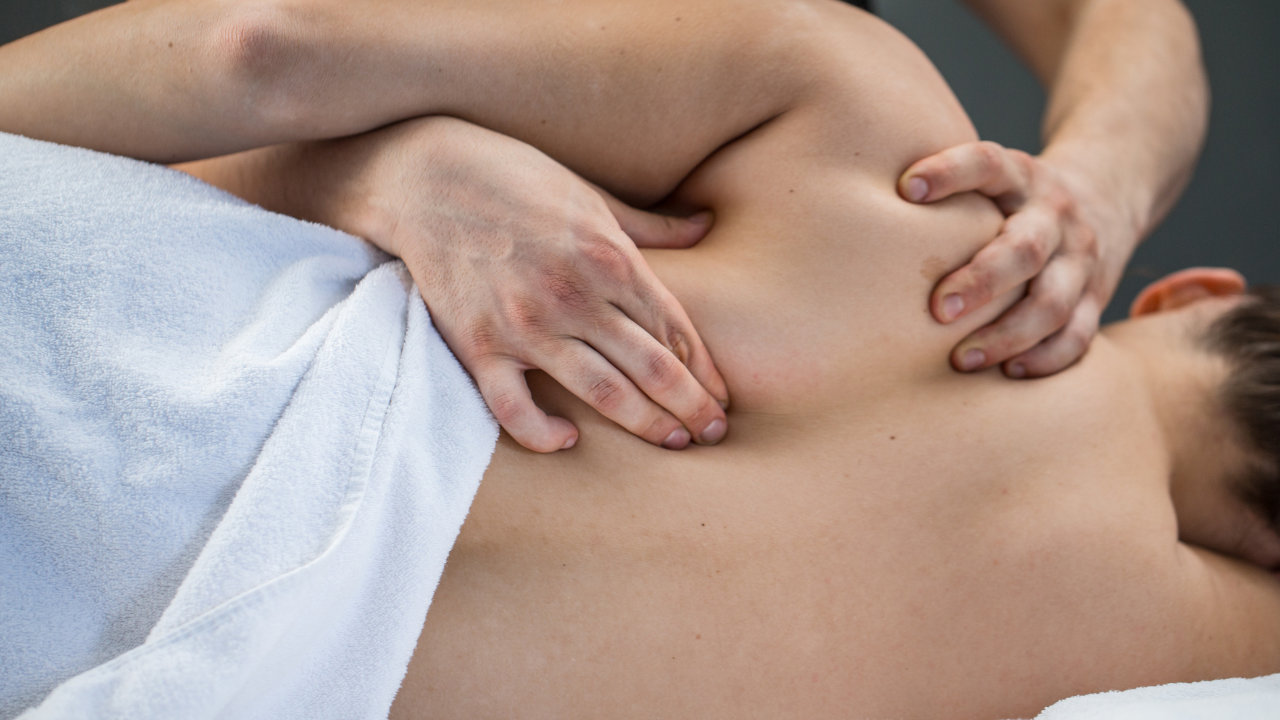
What is Fascia?
UNDERSTANDING FASCIA
Fascia is connective tissue found throughout the body. It surrounds and connects muscles and other structures and forms part of the body's broader soft-tissue system.
You may hear fascia discussed using phrases such as “tight fascia,” “fascial restrictions,” or tissue that needs to be “released.”
These descriptions can be useful conversational shorthand, but the body is more complex than those phrases suggest.
At MICRO MVMT & HEALTH CO, we avoid suggesting that fascia is simply stuck, bound, or out of place—or that an RMT can permanently reshape or “release” it through one treatment.
Instead, we use myofascial techniques as one possible way of working manually with soft tissues within Registered Massage Therapy.
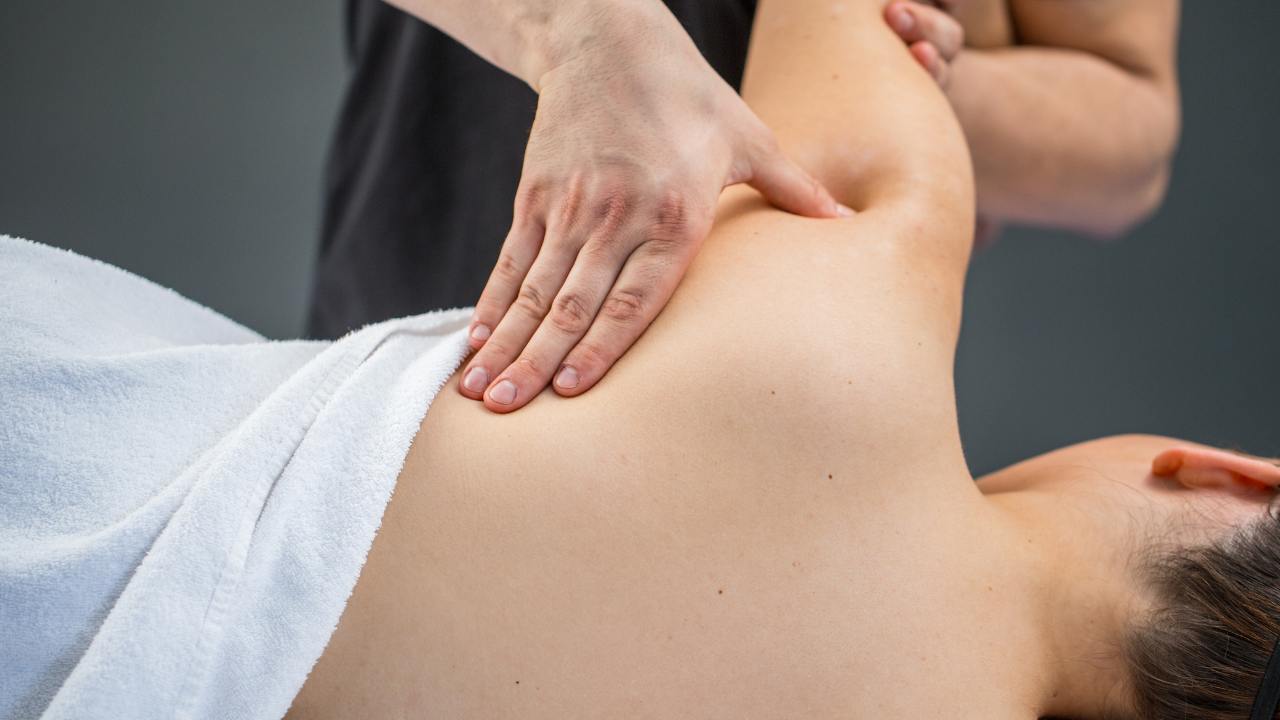
LEARN MORE ABOUT MYOFASCIAL RELEASE
WHAT IS MYOFASCIAL RELEASE?
-
Myofascial release is a term used to describe manual approaches that involve applying pressure, contact, or movement to soft tissues.
Depending on the technique and your presentation, the contact may feel slow, sustained, broad, or more focused.
Some approaches use little or no lotion so the RMT can maintain contact with the skin and underlying tissues. Others may be incorporated alongside more familiar massage therapy techniques during the same appointment.
There is no single myofascial release technique that is appropriate for everyone.
Your RMT determines whether and how these techniques may be incorporated based on your assessment and individual care needs.
WHERE IT MAY FIT
-
When Might Myofascial Techniques Be Considered?
Myofascial techniques may be considered as part of Registered Massage Therapy when an RMT is assessing or treating relevant joint and soft-tissue concerns.
You may speak with your RMT about concerns such as:
Muscular tension or tenderness
Areas of soft-tissue discomfort
Stiffness
Changes in comfortable movement
Physical concerns associated with repetitive activity
Soft-tissue concerns following activity or injury
Persistent muscular or soft-tissue concerns
Physical concerns affecting everyday activities
The presence of one of these concerns does not automatically mean myofascial release is needed.
Your RMT considers your individual presentation before discussing treatment options.
ASSESSMENT FIRST
-
The Technique Comes After Understanding the Concern
At MICRO MVMT & HEALTH CO, we do not begin with the assumption that your fascia needs to be “released.”
Your appointment begins with understanding what brings you in.
Your RMT may consider:
Where you are experiencing discomfort
Muscular or soft-tissue tenderness
Relevant joint movement
Changes in comfortable movement
Previous injuries or physical concerns
Your work, activity, or everyday physical demands
Relevant health information
Your treatment preferences
What you would like to address
From there, your RMT can determine which treatment approaches are appropriate.
Myofascial techniques may be one option—or another approach may make more sense for your presentation.
WHAT IT MAY FEEL LIKE
-
What Does Myofascial Release Feel Like?
Myofascial techniques do not necessarily feel like traditional flowing massage.
Depending on the approach, your RMT may use slower contact, sustained pressure, gentle movement, or techniques that engage an area of soft tissue differently from Swedish massage.
Some techniques may feel subtle. Others may feel more focused.
Treatment does not need to be painful or intense to be appropriate.
Your RMT should explain the proposed technique, give you an opportunity to ask questions, and adjust treatment according to your comfort and ongoing consent.
Subtle does not mean insignificant—and deeper does not automatically mean better.
MYOFASCIAL VS DEEP TISSUE
-
Myofascial Release & Deep Tissue Massage Are Not the Same
Myofascial techniques and deep tissue massage are sometimes discussed as though they are interchangeable, but they describe different approaches.
Deep tissue techniques generally refer to the use of deeper or more targeted pressure when clinically appropriate.
Myofascial techniques may instead involve slower or sustained contact with soft tissues and do not necessarily require deep pressure.
Neither approach is inherently better.
Your RMT can discuss which techniques may be appropriate based on your physical presentation, preferences, tolerance, and treatment goals.
MOVEMENT & MOBILITY
-
When Soft-Tissue Concerns Affect How Movement Feels
Sometimes people become interested in myofascial release because an area feels stiff, restricted, or less comfortable during movement.
Those experiences do not necessarily mean fascia itself is the cause.
Your RMT can assess relevant joints and soft tissues and consider how your physical concerns relate to movement and physical function within Registered Massage Therapy scope.
Myofascial techniques may be incorporated when appropriate, but treatment is not based on trying to create a particular posture, alignment, or “perfect” movement pattern.
PERSISTENT CONCERNS
-
What About Long-Standing Tension or Pain?
An area that has felt tense or uncomfortable for a long time does not necessarily mean there is a fascial adhesion or restriction that needs to be broken down.
Persistent pain and physical tension can be complex and may be influenced by many factors.
If you are experiencing ongoing joint or soft-tissue concerns, your RMT can assess your current physical presentation and determine whether myofascial techniques—or another massage therapy approach—may be appropriate.
WHEN OTHER CARE MAY BE APPROPRIATE
-
Sometimes the Next Step Is Outside Massage Therapy
Headaches and jaw symptoms can involve more than muscles and joints.
Depending on your symptoms and health history, assessment or care from a physician, dentist, dental specialist, physiotherapist, or another healthcare professional may also be appropriate.
Your RMT's role is to assess and provide care within the scope of Registered Massage Therapy.
If your presentation falls outside that scope, massage therapy does not appear appropriate, or further assessment should be considered, your RMT can discuss this with you.
Thoughtful care also means recognizing when another perspective may be needed.
ONE TOOL, NOT THE WHOLE TREATMENT
-
Myofascial Release May Be One Part of Your Appointment
You do not necessarily need to book an entire appointment devoted to one technique.
When appropriate, your RMT may incorporate myofascial techniques alongside other manual approaches during your Registered Massage Therapy appointment.
Your treatment may evolve based on what is being assessed, how you are responding, your comfort, and what you and your RMT have discussed.
The goal is not to fit your body into a technique.
The technique should fit the care being provided to you.
INDIVIDUALIZED CARE
-
Your Treatment Does Not Have to Look Like Someone ElsE
Two people can describe a similar area of tension or stiffness and still receive different care.
Your health history, physical presentation, sensitivity, activities, preferences, and goals are individual.
One person may prefer slow, sustained techniques. Another may respond better to a different manual approach. Your RMT may also change techniques during an appointment when appropriate.
Individualized care means the treatment is selected for the person in front of the RMT—not simply because a particular technique is popular or expected.
CONSENT & COMFORT
-
Your Comfort Remains Part of the Treatment
Manual techniques can feel different from person to person, and you are encouraged to communicate throughout your appointment.
Tell your RMT if you would like:
More or less pressure
A different position
A technique explained before it is used
An area avoided
Treatment modified
A technique stopped
Your RMT will discuss the proposed care with you and obtain informed consent.
Consent is ongoing. You can change or withdraw it at any time.
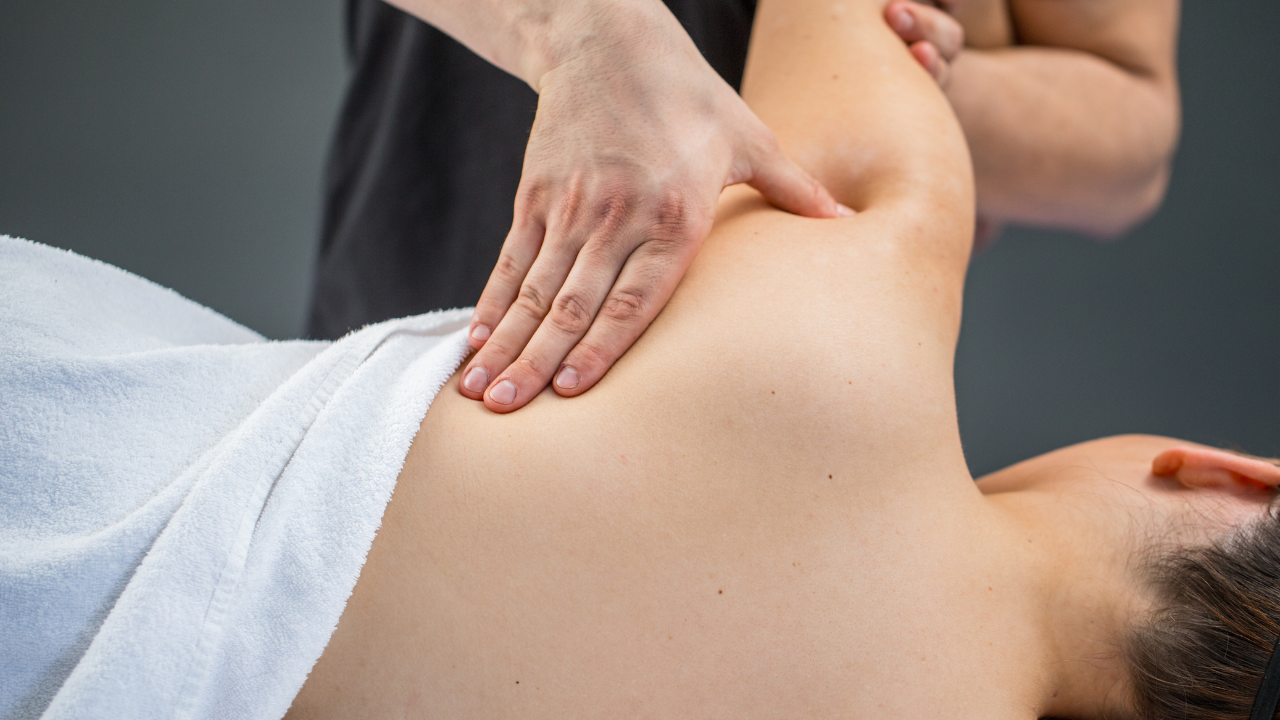
MYOFASCIAL APPROACH

Soft Tissue Focused
Myofascial techniques are manual approaches an RMT may use when working with relevant soft-tissue concerns within Registered Massage Therapy scope.

Individualized Care
Your RMT considers your physical presentation, relevant joint and soft-tissue findings, comfort, and goals before selecting treatment techniques.

Adaptable Care
Pressure, pacing, positioning, and techniques can be adjusted throughout your appointment based on your needs, preferences, and ongoing consent.
Getting Started Is Simple
Find and book the care that feels right to you
01 | CHOOSE YOUR PRACTITIONER
Explore our Registered Massage Therapists and Registered Clinical Counsellors to find the right fit.
02 | BOOK YOUR APPOINTMENT
Choose Registered Massage Therapy in Langley or Registered Clinical Counselling virtually or in person by appointment.
03 | CONNECT WITH YOUR PRACTITIONER
Join us in clinic or online and begin with a conversation about what brings you in.
-
Myofascial release is a term used for manual techniques that involve working with soft tissues using approaches such as sustained contact, pressure, or movement.
An RMT may incorporate these techniques when appropriate to the patient's physical presentation and treatment plan.
-
Fascia is connective tissue found throughout the body and associated with muscles and other anatomical structures.
Although terms such as “tight fascia” and “fascial restriction” are commonly used, these descriptions should not be interpreted to mean that fascia is simply stuck or can be permanently “released” through a single manual technique.
-
We do not describe myofascial release as physically “breaking up” adhesions or scar tissue.
An RMT may use manual techniques when assessing and treating appropriate soft-tissue concerns, but the effects of manual therapy are more complex than mechanically breaking tissue apart.
If you have concerns related to a scar, previous surgery, or injury, provide your RMT with relevant health information so they can determine whether treatment is appropriate.
-
It does not need to.
Myofascial techniques can vary in pressure and approach. Your RMT will consider your presentation, comfort, preferences, and clinical findings when determining how a technique is applied.
Tell your RMT if something feels uncomfortable or if you would like treatment modified.
-
No.
Deep tissue generally refers to the use of deeper or more targeted pressure. Myofascial techniques may involve slower or sustained contact and do not necessarily require deep pressure.
Your RMT may incorporate either approach when clinically appropriate.
-
An RMT's professional scope in British Columbia includes providing care related to joints and soft tissues for purposes that include rehabilitating and improving physical function.
If stiffness or changes in movement are part of your concern, your RMT can assess your physical presentation and determine whether myofascial techniques or another approach may be appropriate.
We do not promise that a particular technique will produce a specific mobility outcome.
-
It may be one treatment consideration when relevant joint or soft-tissue concerns are present, but persistent pain is complex and there is no single technique that is appropriate for everyone.
Your RMT will assess your current physical presentation before discussing treatment options.
-
Not necessarily.
Myofascial techniques may be incorporated into a Registered Massage Therapy appointment when appropriate and within the individual RMT's practice.
If you are specifically interested in myofascial techniques, mention this when booking or discuss it with your RMT at the beginning of your appointment.
-
Not necessarily.
Your RMT may use one or several manual approaches depending on your assessment, treatment plan, comfort, preferences, and response during the appointment.
Treatment should be individualized rather than determined by the name of one technique.
-
When myofascial techniques are provided as part of an appointment with a Registered Massage Therapist, reimbursement is based on your extended health plan's coverage for Registered Massage Therapy rather than the individual technique used.
Coverage, eligibility, reimbursement, and claim approval are determined by your insurance provider and individual plan.