
Massage Therapy for Headaches & TMJ Discomfort in Langley, BC
Thoughtful Care for Jaw, Head & Neck Tension
Jaw tension, headaches, neck discomfort, and clenching can sometimes occur alongside muscular tension involving the jaw, face, head, neck, and shoulders.
At MICRO MVMT & HEALTH CO., our Registered Massage Therapists assess and treat soft-tissue and joint concerns within the scope of massage therapy. When appropriate to your presentation, treatment may include the muscles and surrounding tissues associated with the jaw, neck, head, and shoulders.
Your care begins with understanding what you are experiencing and is adapted to your assessment findings, comfort, preferences, and treatment goals.
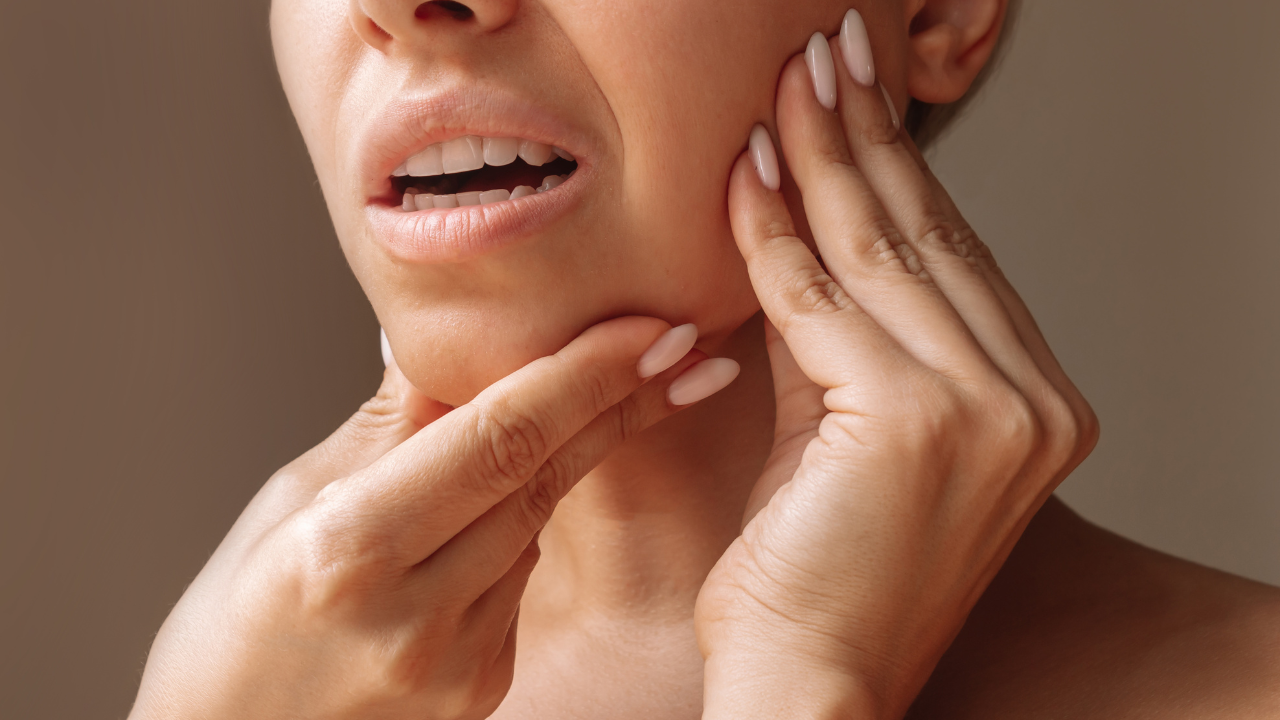
UNDERSTANDING JAW & TMJ-RELATED MUSCULAR TENSION
The temporomandibular joints connect the jaw to the skull and are involved in movements such as opening and closing the mouth, chewing, and speaking.
Muscles of the jaw, face, temples, neck, and surrounding areas also contribute to these movements.
Some people seeking Registered Massage Therapy describe physical concerns such as:
Jaw muscular tension or tenderness
Tightness associated with clenching
Muscular discomfort around the temples or face
Discomfort with jaw movement
Neck and shoulder tension occurring alongside jaw concerns
Headaches occurring alongside jaw or neck tension
Changes in comfortable jaw movement
These symptoms can have different causes and do not necessarily indicate a temporomandibular disorder.
Your RMT assesses concerns that fall within the professional scope of massage therapy and considers whether treatment of the surrounding joints and soft tissues is appropriate.
LEARN MORE ABOUT MASSAGE FOR HEADACHES & TMJ CONCERNS
HEADACHES AND MUSCULAR CONCERNS
-
When Headaches Occur Alongside Muscular Tension
Headaches can have many different causes. Registered Massage Therapists do not assume that every headache originates from muscular tension or that massage therapy is appropriate for every type of headache.
Some patients seek RMT care when headaches occur alongside physical concerns such as:
Neck and shoulder tension
Muscular tenderness around the head or temples
Jaw clenching or jaw tension
Upper-back muscular tension
Stiffness or discomfort involving the neck
Physical discomfort associated with prolonged positions or repetitive activity
Your RMT can assess relevant soft tissues and joints and discuss whether massage therapy may be appropriate for the physical findings identified during your appointment.
HEADACHE TYPE MATTERS
-
Not Every Headache Is the Same
The word “headache” describes a symptom rather than a single condition.
Tension-type headaches, migraine, cluster headaches, headaches associated with illness, and headaches related to other medical concerns can have different features and require different considerations.
Registered Massage Therapy should not be presented as treatment for every headache disorder.
When someone has an existing headache diagnosis, an RMT may consider whether there are accompanying soft-tissue, joint, pain, or physical-function concerns that fall within massage therapy scope.
If your symptoms are new, unusual, significantly different from your typical headaches, or raise concerns outside massage therapy scope, further assessment from an appropriate healthcare professional may be indicated.
WHAT AN RMT MAY ASSESS
-
Looking Beyond One Area
Jaw discomfort does not always exist in isolation.
Depending on what brings you in, your Registered Massage Therapist may assess relevant areas such as the:
Muscles surrounding the jaw
Muscles of the face and temples
Neck and cervical region
Shoulders and upper back
Relevant jaw movement
Soft tissues associated with your physical presentation
Assessment is individualized. Not every area needs to be assessed or treated simply because you are experiencing a headache or jaw discomfort.
Your RMT will explain what they are proposing and seek your consent before proceeding.
WHAT TREATMENT MAY INCLUDE
-
Your Treatment Is Based on Your Presentation
There is no single “TMJ massage” or headache treatment that is appropriate for everyone.
Depending on assessment findings and the individual RMT's training, treatment may involve manual techniques directed toward relevant soft tissues and joints of the:
Jaw and surrounding musculature
Face and temples
Scalp
Neck
Shoulders
Upper back
Pressure, positioning, areas treated, and techniques can be adjusted throughout your appointment.
Your RMT will discuss the proposed treatment with you so you understand what is being considered and have an opportunity to ask questions before proceeding.
INTRA-ORAL TREATMENT
-
What About Intra-Oral Massage?
Some appropriately trained Registered Massage Therapists may incorporate intra-oral techniques when they are relevant to the patient's presentation and within the practitioner's training and professional scope.
Intra-oral treatment involves working with appropriate tissues from inside the mouth while following applicable clinical and infection-prevention practices.
Intra-oral treatment is never an automatic part of a headache or TMJ-focused appointment.
Your RMT will explain why it is being considered, what the treatment involves, and available alternatives before asking for your informed consent.
You can choose not to receive intra-oral treatment, change your mind, or withdraw consent at any time.
External treatment of the jaw, face, neck, or surrounding areas may still be considered depending on your individual presentation.
CLENCHING & GRINDING
-
Jaw Clenching, Grinding & Muscular Tension
People who clench or grind their teeth may notice muscular tension or tenderness around the jaw, temples, face, neck, or shoulders.
Registered Massage Therapy does not diagnose or treat the underlying cause of teeth grinding or bruxism.
When relevant soft-tissue or joint concerns are present, however, an RMT can assess those physical findings and discuss whether massage therapy is appropriate within their scope.
If dental assessment, a night guard, medical evaluation, or another form of care is needed, those services fall outside the role of your RMT and should be discussed with the appropriate healthcare professional.
TMJ MASSAGE VS BUCCAL & FACIAL MASSAGE
-
TMJ-Focused Care & Buccal Massage Are Not the Same Appointment
At MICRO, headache and TMJ-focused Registered Massage Therapy is distinct from our Buccal & Facial Massage service.
Headache & TMJ-focused care begins with your physical concerns and an RMT assessment. Treatment may involve relevant muscles and soft tissues of the jaw, head, neck, shoulders, and surrounding areas. Intra-oral techniques are not automatically included.
Buccal & Facial Massage is a focused service involving the face, jaw, scalp, and neck, with optional intra-oral buccal techniques when appropriate and consented to.
If you are unsure which appointment better reflects what you are looking for, explore both services before booking or connect with our team.
WHEN OTHER CARE MAY BE APPROPRIATE
-
Sometimes the Next Step Is Outside Massage Therapy
Headaches and jaw symptoms can involve more than muscles and joints.
Depending on your symptoms and health history, assessment or care from a physician, dentist, dental specialist, physiotherapist, or another healthcare professional may also be appropriate.
Your RMT's role is to assess and provide care within the scope of Registered Massage Therapy.
If your presentation falls outside that scope, massage therapy does not appear appropriate, or further assessment should be considered, your RMT can discuss this with you.
Thoughtful care also means recognizing when another perspective may be needed.
YOUR VOICE, YOUR CONSENT
-
Your Comfort Remains Part of Your Care
The face, jaw, neck, and mouth can feel particularly personal or sensitive to have assessed or treated.
You are encouraged to tell your RMT about areas you are comfortable having treated, areas you would prefer to avoid, pressure preferences, sensitivities, previous experiences, and any questions you have.
Your RMT will explain the proposed treatment and seek your informed consent.
Consent is ongoing. You can ask for treatment to be changed or stopped at any time.
FIND AN RMT
-
Find an RMT for Headache & Jaw-Related Concerns
Several members of our Langley RMT team have clinical interests involving headache, TMJ or jaw-related muscular concerns.
Explore individual practitioner profiles to learn about their clinical interests, treatment approaches, techniques, and availability before deciding who feels like the right fit for your care.

Getting Started Is Simple
Find and book the care that feels right to you
01 | CHOOSE YOUR PRACTITIONER
Explore our Registered Massage Therapists and Registered Clinical Counsellors to find the right fit.
02 | BOOK YOUR APPOINTMENT
Choose Registered Massage Therapy in Langley or Registered Clinical Counselling virtually or in person by appointment.
03 | CONNECT WITH YOUR PRACTITIONER
Join us in clinic or online and begin with a conversation about what brings you in.
Our Massage Therapy Treatments in Langley
Swedish Massage Therapy
Pregnancy Massage Therapy
Postural Restoration
Deep Tissue Massage Therapy
Relaxation Massage by Our Students
Explore More →
Frequently Asked Questions
-
A Registered Massage Therapist may assess and treat joint and soft-tissue concerns within their professional scope.
When jaw discomfort involves relevant muscles, soft tissues, joint concerns, pain, or physical function, an RMT can assess your individual presentation and discuss whether massage therapy is appropriate.
-
It depends on the individual presentation.
Headaches can have many causes, and massage therapy is not appropriate for every headache or headache disorder. An RMT may assess relevant soft-tissue and joint concerns when headaches occur alongside muscular tension, neck discomfort, jaw tension, or other physical findings within massage therapy scope.
-
Migraine is a neurological disorder and should not be presented as a condition that Registered Massage Therapy treats.
A person living with migraine may also experience muscular or joint-related concerns that fall within an RMT's scope. Whether massage therapy is appropriate depends on the individual's presentation and assessment.
-
An RMT does not diagnose or treat the underlying cause of bruxism or teeth grinding.
If clenching or grinding occurs alongside muscular tension, tenderness, pain, or other relevant soft-tissue or joint concerns, an RMT can assess those physical findings and determine whether massage therapy is appropriate.
-
No.
Intra-oral techniques are not automatically required for jaw or TMJ-focused Registered Massage Therapy. Treatment options depend on your individual presentation, the RMT's assessment and training, and your preferences.
If intra-oral treatment is proposed, your RMT will explain it and obtain your informed consent before proceeding.
-
Yes.
Intra-oral treatment is optional. You can decline it, change your mind, or withdraw your consent at any point.
Your RMT can discuss whether other treatment approaches may be considered based on your presentation.
-
Depending on your assessment, treatment may involve relevant soft tissues and joints associated with the jaw, face, temples, scalp, neck, shoulders, or upper back.
Not every area will necessarily be treated during every appointment.
-
How often should I book massage therapy for jaw tension or headaches?
There is no single treatment frequency that is appropriate for everyone.
Your RMT can discuss treatment frequency based on your presentation, assessment findings, response to care, preferences, goals, and other healthcare you may be receiving.
-
A referral is generally not required to book Registered Massage Therapy. Some insurance providers or third-party payers may have their own requirements for reimbursement.
Confirm your individual coverage requirements directly with your insurer.
Start with what your experiencing
You do not need to determine whether your concern is coming from your jaw, neck, shoulders, or another area before booking.
Your Registered Massage Therapist can begin by listening to what you are experiencing, completing an appropriate assessment, and discussing whether massage therapy is suitable for the physical concerns identified.
Your care can start with a conversation.