
Massage Therapy for Soft Tissue Injuries & Rehabilitation Langley, BC
Care That Can Adapt as You Move Forward
A soft-tissue injury can change how everyday movement feels—for a little while or for longer than you expected.
Whether your concern developed suddenly or gradually over time, Registered Massage Therapy can be considered as one part of your rehabilitation and broader healthcare plan.
At MICRO MVMT & HEALTH CO., your RMT begins with your individual presentation. Treatment can then be adapted according to what you are experiencing, your stage of rehabilitation, your comfort, and the activities that matter to you.
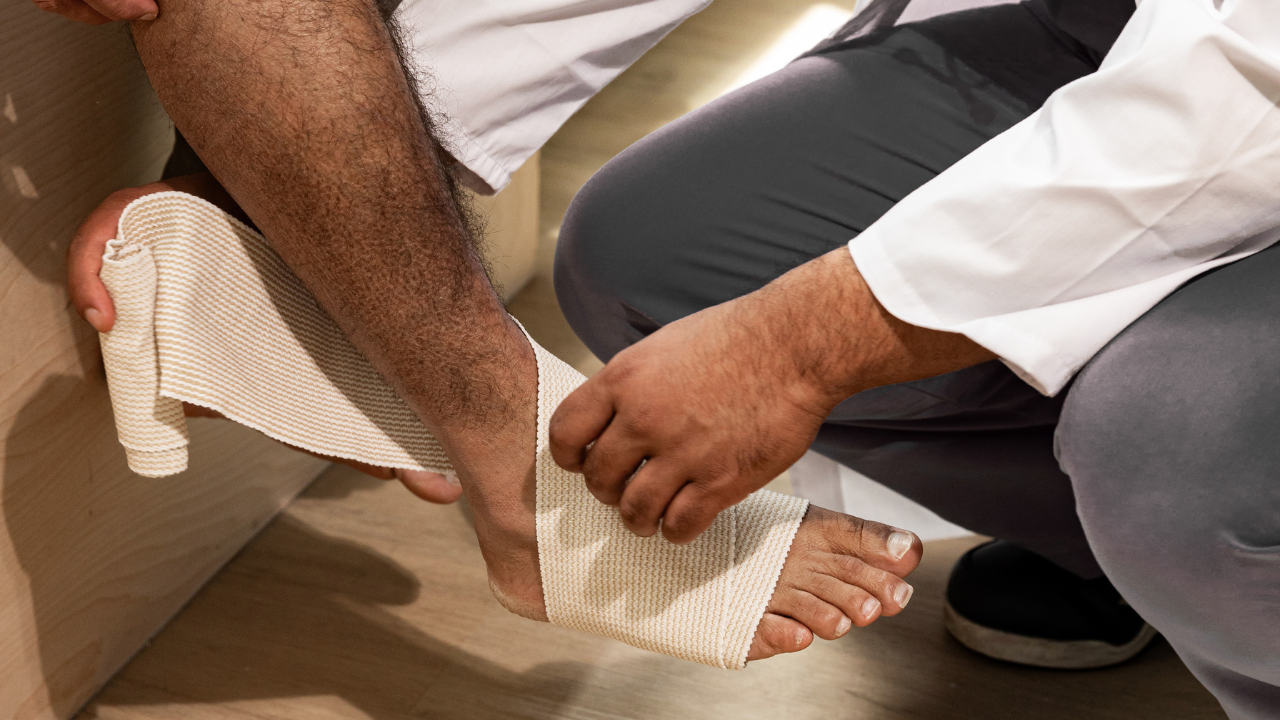
Every Injury Has its Own Story
An awkward step. A demanding workout. Repetitive work. A sudden movement. A weekend project that asked a little more of you than expected.
Soft-tissue concerns can happen in many different ways.
And while two people may use the same word—such as a strain or sprain—their experiences can look very different.
Your RMT considers more than the name of an injury. They look at what you are experiencing now, how the area is affecting physical function and movement, your relevant health history, and where you are in the rehabilitation process.
That gives your care room to change as you do.
LEARN MORE ABOUT MASSAGE THERAPY FOR SOFT TISSUE INJURIES & REHABILITATION
UNDERSTANDING SOFT TISSUE
-
What Do We Mean by Soft Tissue?
Soft tissues include structures such as muscles, tendons, ligaments, and fascia.
These tissues contribute to movement, support, and physical function throughout the body.
A soft-tissue concern may follow a particular event or develop gradually with repeated physical demands.
Depending on the individual presentation, you may notice experiences such as:
Localized muscular discomfort or tenderness
Stiffness
Changes in mobility
Sensitivity with certain movements
Muscular tension or guarding
Changes in comfort during work, exercise, or everyday activity
Your experience provides important information, but you don't need to arrive knowing exactly which structure is involved.
Your RMT can begin by listening to what happened and assessing the relevant joints and soft tissues within their professional scope.
HOW CONCERNS CAN BEGIN
-
Sometimes It Happens Suddenly. Sometimes It Builds Gradually.
Not every soft-tissue concern begins with an obvious injury.
Some follow a particular movement, activity, or physical event.
Others become noticeable over time alongside repetitive tasks, changes in training, physically demanding work, or increased activity.
Patients may speak with an RMT about concerns associated with:
Muscle strains
Ligament sprains
Repetitive physical activity
Tendon-related concerns
Sport or recreational activity
Physically demanding work
Changes in activity or training
Other soft-tissue injuries
What matters most is understanding your current presentation, rather than trying to fit your experience into a particular category before booking.
REHABILITATION
-
Rehabilitation Is a Process, Not a Single Moment
What feels appropriate shortly after an injury may look different several weeks later.
As your presentation changes, the questions you bring to your RMT may change too.
Earlier on, comfort, sensitivity, and how the area responds to everyday movement may be especially important.
Later, you may be thinking more about mobility, physical function, returning to particular activities, or how your body feels as your usual demands increase.
Your massage therapy care can be reconsidered along the way rather than following one fixed approach from beginning to end.
As your needs change, your care can change with them.
WHERE AN RMT MAY FIT
-
Where Registered Massage Therapy May Fit
Registered Massage Therapists in British Columbia assess and treat physical concerns involving joints and soft tissues within their professional scope.
When massage therapy is appropriate for your presentation, your RMT may consider areas such as:
Muscular and soft-tissue tenderness
Joint and soft-tissue concerns
Stiffness
Changes in mobility
Physical discomfort with movement
Muscular tension or guarding
Physical function related to everyday activities
Your RMT will consider assessment findings alongside your health history, preferences, comfort, and goals when discussing treatment options with you.
Massage therapy may be one part of your rehabilitation rather than the entire plan.
YOUR ASSESSMENT
-
Your Appointment Begins With Understanding Where You Are Today
You don't need to know which massage technique you need before you arrive.
Start by telling us what you've been experiencing.
Your RMT may ask about:
How the concern began
When you first noticed it
What has changed since then
Movements or activities that feel different
Previous injuries or relevant health history
Care you have already received
Activities you would like to return to or continue
What you hope to focus on during your appointment
Your RMT can then complete an assessment appropriate to your presentation and discuss whether massage therapy is suitable and what your treatment may include.
TREATMENT
-
Treatment Doesn't Have to Look the Same Every Time
There is no single massage technique for every soft-tissue injury.
Your RMT may draw from different manual approaches depending on your assessment, stage of rehabilitation, comfort, and treatment goals.
Treatment may incorporate techniques such as:
Swedish massage techniques
Targeted soft-tissue techniques
Myofascial techniques
Trigger point techniques
Instrument Assisted Soft Tissue Mobilization (IASTM), when appropriate
Gentle or more focused pressure
Movement or mobility-focused approaches within RMT care
Not every technique is appropriate for every patient or every stage of an injury.
Your RMT can explain what they are proposing and adapt treatment according to your feedback.
PRESSURE
-
More Pressure Isn't the Measure of Progress
An injured or sensitive area doesn't necessarily need deeper treatment.
Pressure can be adjusted throughout your appointment according to the area being treated, your current presentation, and what feels appropriate for you.
At one appointment, a gentler approach may make sense.
At another, you and your RMT may decide that more focused techniques are appropriate.
Neither approach is inherently better.
The goal is to choose an approach that makes sense for where you are now.
RETURNING TO ACTIVITY
-
Keeping the Activities That Matter to You in the Conversation
Rehabilitation often becomes meaningful when it connects back to real life.
Maybe you'd like to feel more comfortable at work.
Return to the gym.
Get back to running.
Spend time in the garden.
Pick up your child.
Enjoy your sport.
Or simply move through everyday activities with greater confidence.
Sharing those priorities gives your RMT useful context when assessing your physical presentation and discussing your massage therapy care.
Your goals don't need to be athletic to matter.
What you want to get back to is personal to you.
WHEN OTHER CARE IS INVOLVED
-
An Appointment With Space to Slow Down
For many people, the appeal of Hot Stone Massage is as much about the experience as the technique.
The combination of warmth, flowing movements, adaptable pressure, and a slower pace can create an appointment that feels comfortable and restful.
You may simply enjoy having time where there is nowhere else you need to be.
Relaxation can be part of your experience while your RMT continues to provide care appropriate to your physical presentation and professional scope.
KNOW WHEN TO LOOK FURTHER
-
Sometimes Another Perspective Is the Right Next Step
Registered Massage Therapy has a defined professional scope, and there may be times when another healthcare professional is better positioned to assess a particular concern.
If your presentation suggests that additional assessment or another form of care would be helpful, your RMT can discuss that with you.
This doesn't mean your care has reached a dead end.
Sometimes it simply means bringing the right healthcare professional into the conversation.
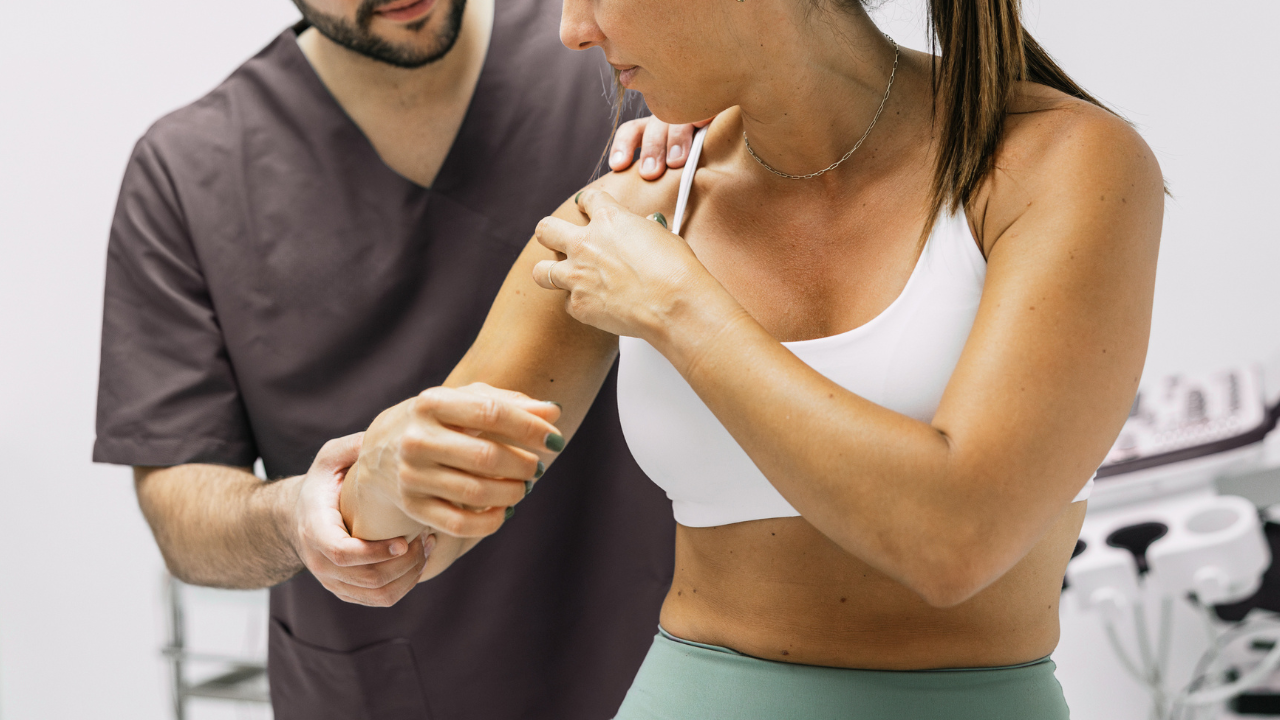
CARE THAT MEETS YOU WHERE YOU ARE

Individual Assessment
Your RMT begins with your current presentation, relevant health history, physical concerns, and what matters to you.

Adaptable Care
Pressure, techniques, areas of focus, and treatment planning can evolve as your presentation and rehabilitation needs change.

Meaningful Movement
Your work, activities, recreation, and everyday movement provide useful context for conversations about your physical function and care.
Getting Started Is Simple
Find and book the care that feels right to you
01 | CHOOSE YOUR PRACTITIONER
Explore our Registered Massage Therapists and Registered Clinical Counsellors to find the right fit.
02 | BOOK YOUR APPOINTMENT
Choose Registered Massage Therapy in Langley or Registered Clinical Counselling virtually or in person by appointment.
03 | CONNECT WITH YOUR PRACTITIONER
Join us in clinic or online and begin with a conversation about what brings you in.
Frequently Asked Questions
-
Registered Massage Therapists in British Columbia assess physical concerns involving joints and soft tissues within their professional scope.
Your RMT will consider your health history, current presentation, and assessment findings when discussing whether massage therapy is appropriate and what treatment options may be considered.
-
Patients may speak with an RMT about physical concerns associated with muscle strains, ligament sprains, repetitive strain, tendon-related concerns, sport or recreational activity, physically demanding work, and other soft-tissue injuries.
Whether massage therapy is appropriate depends on the individual presentation and stage of the concern.
-
There isn't one timeline that applies to every soft-tissue injury.
The nature of the injury, current symptoms, stage of healing, relevant health information, and any care you've already received can all provide important context.
Your RMT can assess your presentation and discuss whether massage therapy is appropriate at that time.
-
Healing is a complex biological process influenced by many factors.
Rather than promising to accelerate tissue healing, we focus on what falls within Registered Massage Therapy: assessing relevant joints and soft tissues, considering your physical function, and providing individualized treatment when appropriate.
Massage therapy may form one part of a broader rehabilitation plan.
-
Not necessarily.
Deeper pressure is not automatically more appropriate for an injured or sensitive area.
Your RMT can adjust pressure and techniques according to your assessment, presentation, preferences, and comfort.
-
Depending on the nature and stage of your concern, Registered Massage Therapy may be incorporated as one component of a broader rehabilitation plan.
Your RMT can assess relevant joints and soft tissues and discuss how massage therapy may appropriately fit alongside your other care and activities.
-
Yes.
People may receive care from more than one healthcare professional during rehabilitation.
Sharing relevant recommendations or information from your broader healthcare team can provide useful context for your RMT when planning massage therapy care.
-
A referral is generally not required to book a Registered Massage Therapy appointment at MICRO.
Your extended health benefits plan may have its own reimbursement requirements, so we recommend confirming those directly with your insurance provider.
-
Many extended health plans include Registered Massage Therapy; however, coverage varies between individual plans.
Coverage, eligibility, reimbursement, and claim approval are determined by your insurer.
Direct billing is available at MICRO as a courtesy for eligible services and plans.

START WHERE YOU ARE
You don't need to know exactly which tissue is involved, which technique you need, or what your massage therapy care should look like before you arrive.
Tell your RMT what happened, what you're noticing now, and what you'd like to get back to.
We'll begin there.
MEET THE PEOPLE BEHIND YOUR CARE
-
![Alecs Estralledo, RMT]()
Alecs Estralledo
REGISTERED MASSAGE THERAPIST
-
![Emanuel Fessahaye, RMT]()
Emanuel Fessahaye
REGISTERED MASSAGE THERAPIST
-
![Leanne Gall, RMT]()
Leanne Gall
REGISTERED MASSAGE THERAPIST
-
![Allan Hu, Registered Massage Therapist]()
Allan Hu
REGISTERED MASSAGE THERAPIST
-
![Ester Grace Juperatum, RMT]()
Ester Grace Juperatum
REGISTERED MASSAGE THERAPIST
-
![Janelle Jurkowski, RMT]()
Janelle Jurkowski
REGISTERED MASSAGE THERAPIST
-
![Rav Laroco, RMT]()
Rav Laroco
REGISTERED MASSAGE THERAPIST
-
![Ryzanne Laroco Kisch, RMT]()
Ryzanne Kisch
REGISTERED MASSAGE THERAPIST | FOUNDER & CLINIC OWNER