

Stress, the Nervous System & Massage Therapy
When Stress Is Felt Physically
Stress is part of being human—and it does not exist only in our thoughts.
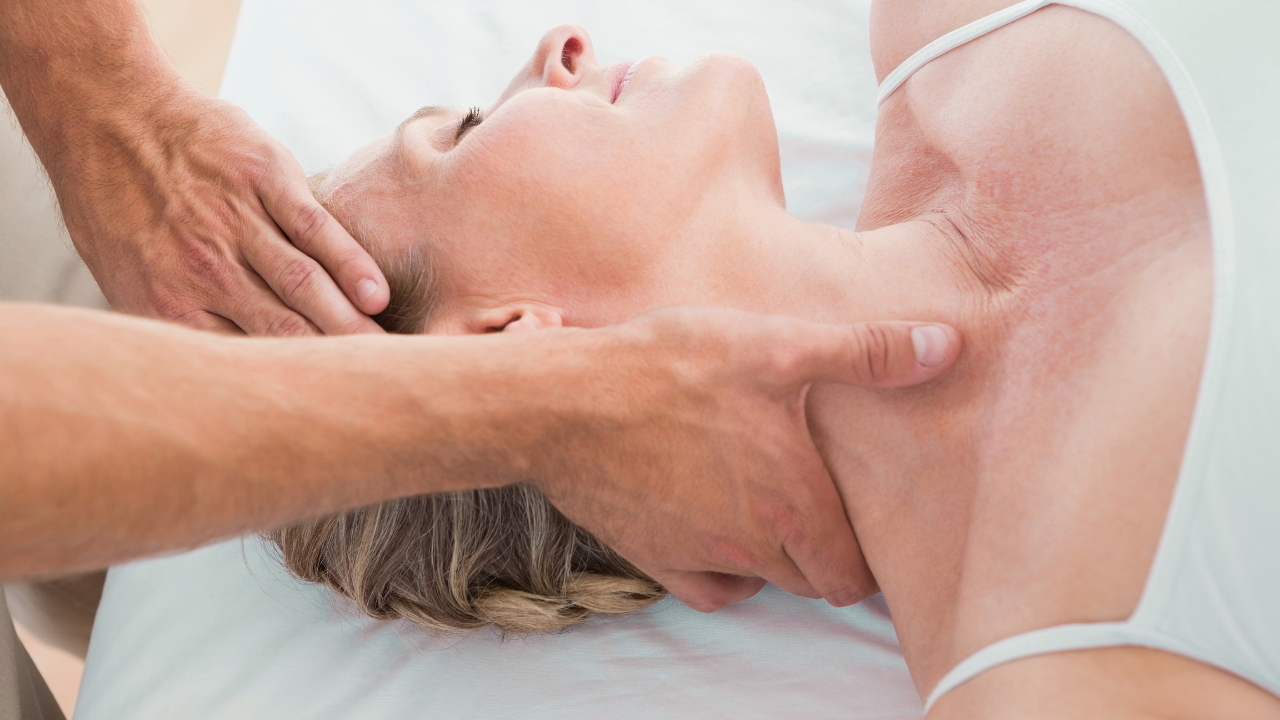
During periods of stress, you may also notice physical experiences such as muscular tension, tenderness, changes in breathing patterns, headaches alongside neck or jaw tension, or simply finding it difficult to feel physically at ease.
Registered Massage Therapy does not treat stress as a psychological condition or promise to “regulate” your nervous system. An RMT can, however, assess relevant joint and soft-tissue concerns and provide care adapted to your physical presentation, comfort, preferences, and goals.
LEARN MORE ABOUT STRESS, THE NERVOUS SYSTEM & MASSAGE THERAPY
UNDERSTANDING STRESS & ITS PHYSICAL IMPACT
-
Stress Can Have a Physical Side
Stress is a complex experience influenced by many parts of our lives. Work, relationships, caregiving, health, uncertainty, sleep, major changes, and everyday demands can all shape how we feel.
The nervous system is involved in how the body perceives and responds to what is happening around us, but those responses are not something that can be reduced to simply being “on” or “off.”
For some people, periods of stress may also be accompanied by physical experiences such as:
Neck and shoulder tension
Jaw or facial tension
Muscular tenderness or soreness
Headaches occurring alongside muscular tension
Back or hip tension
Changes in comfortable movement
Feeling physically tense or unable to settle comfortably
These experiences are individual. Having them does not necessarily mean stress is their cause.
NERVOUS SYSTEM
-
What Do We Mean by the Nervous System?
Your nervous system is constantly receiving, interpreting, and responding to information from both inside and outside your body.
It plays a role in sensation, movement, attention, breathing, heart rate, sleep, emotion, and the body's responses to changing environments and demands.
You may hear wellness language describing the nervous system as needing to be “reset,” “regulated,” or moved from one state into another.
The reality is more nuanced.
Your nervous system is dynamic and continuously adapting. Feeling stressed, alert, tired, tense, or relaxed does not necessarily mean that your nervous system is functioning incorrectly.
For this reason, at MICRO we do not describe massage therapy as resetting, balancing, or regulating the nervous system.
Instead, we focus on what an RMT can appropriately assess and the physical experience you bring to your appointment.
WHERE RMT FITS
-
Where Registered Massage Therapy May Fit
You do not need to prove that stress is causing your physical tension before discussing it with your RMT.
If you are experiencing muscular tension, tenderness, pain, stiffness, or another joint or soft-tissue concern, your RMT can assess your physical presentation and determine whether Registered Massage Therapy is appropriate.
Your RMT may consider:
Where you notice tension or discomfort
Muscular tenderness
Relevant joint movement
Changes in comfortable movement
Your work and everyday physical demands
Activities or positions associated with your concerns
Relevant health information
Your preferences and treatment goals
The focus remains on your physical health and the joint and soft-tissue concerns that fall within Registered Massage Therapy scope.
TENSION
-
When Your Body Feels Tense
Sometimes the reason for booking an appointment is simple: your body feels tense.
You might notice it across your shoulders after a demanding week, through your jaw when concentrating, in your back after long periods of sitting, or in several areas at once.
You do not need to label the experience as “stress tension” for it to be worth discussing.
Your RMT can assess the relevant joints and soft tissues and talk with you about what you are experiencing without assuming there is one underlying cause.
RELAXATION
-
It Is Okay to Want Your Appointment to Feel Relaxing
Not every massage therapy appointment needs to feel intensive.
Some patients prefer slower pacing, lighter or moderate pressure, fewer changes in position, or an overall treatment experience that feels quieter and more restful.
Others prefer more targeted care while still wanting the appointment to feel comfortable and unhurried.
Relaxation can be part of the experience without being presented as a medical outcome.
Tell your RMT what you are looking for. Your preferences can help shape the treatment approach while your RMT continues to provide care within Registered Massage Therapy scope.
Clinical care and a calming experience do not have to be opposites.
PRESSURE
-
More Pressure Is Not Always the Goal
If you are carrying a lot of muscular tension, it can be tempting to assume that treatment needs to be deep or intense.
It does not.
Pressure is only one part of massage therapy and should be considered alongside your physical presentation, comfort, preferences, assessment findings, and treatment goals.
Some appointments may involve lighter or moderate pressure. Others may include more targeted techniques when appropriate.
Your treatment does not need to hurt to be meaningful, and you can ask for pressure or techniques to be changed at any point.If you are carrying a lot of muscular tension, it can be tempting to assume that treatment needs to be deep or intense.
It does not.
Pressure is only one part of massage therapy and should be considered alongside your physical presentation, comfort, preferences, assessment findings, and treatment goals.
Some appointments may involve lighter or moderate pressure. Others may include more targeted techniques when appropriate.
Your treatment does not need to hurt to be meaningful, and you can ask for pressure or techniques to be changed at any point.
NECK, HEAD & JAW
-
When Tension Shows Up Around Your Head, Neck or Jaw
Some people notice physical tension around the neck, shoulders, jaw, face, or temples during demanding periods.
Headaches and jaw symptoms can have many causes and should not automatically be attributed to stress or muscular tension.
When these experiences occur alongside relevant joint or soft-tissue concerns, an RMT may assess those physical concerns within massage therapy scope.
STRESS VS MENTAL HEALTH
-
Physical Care Is Not the Same as Mental Health Care
Massage therapy and counselling can have different roles in your care.
An RMT focuses on physical health and concerns involving joints and soft tissues within Registered Massage Therapy scope.
A Registered Clinical Counsellor can provide mental health support for experiences such as stress, anxiety, emotional overwhelm, relationships, grief, life transitions, and other concerns within counselling scope.
You may choose one service or both depending on what you need.
There is no expectation that physical care should replace mental health care—or that every stressful period requires counselling.
THE LANGUAGE OF “REGULATION”
-
Does Massage Therapy “Regulate” the Nervous System?
You may have heard massage described as “resetting,” “regulating,” or “calming” the nervous system.
These phrases can make a complex biological system sound simpler than it is.
Massage involves sensory input, touch, movement, human interaction, and an individual physical experience. People may describe feeling relaxed, comfortable, rested, or less physically tense during or after an appointment.
Those experiences are valid—but they are not the same as demonstrating that the nervous system has been medically “regulated” or “reset.”
At MICRO, we prefer to describe what you experience without turning it into a claim your body has entered a particular physiological state.
You can feel relaxed without needing to call it a nervous system reset.
INDIVIDUAL EXPERIENCE
-
Your Response to Touch Is Individual
People experience massage differently.
What one person finds deeply relaxing may feel uncomfortable or overstimulating to someone else. Pressure, conversation, music, positioning, room temperature, areas treated, and previous experiences with touch can all influence how an appointment feels.
You are encouraged to communicate what helps you feel comfortable.
You can request changes to pressure, positioning, conversation, or treatment at any time, and consent remains ongoing throughout your appointment.
WHEN SOMETHING MORE IS NEEDED
Sometimes Stress Needs More Than Physical Care
Stress can affect many parts of life, and muscular tension may be only one part of what you are experiencing.
If stress, anxiety, changes in sleep, mood, emotional distress, or other concerns are significantly affecting your daily life, consider speaking with an appropriate healthcare or mental health professional.
Registered Massage Therapy can address relevant physical concerns within its scope, but it is not a substitute for mental health assessment or treatment when those services are needed.
At MICRO, Registered Clinical Counselling is available virtually across British Columbia, with select in-person appointments in Langley and South Surrey.

CARE THAT MAKES SPACE TO SLOW DOWN
You do not need a complicated explanation or reason for wanting care that feels comfortable, thoughtful, and unhurried.

Physical Tension
Your RMT can assess relevant muscular, joint, and soft-tissue concerns when your body feels tense, tender, stiff, or uncomfortable.

A Calmer Place
Your appointment can incorporate pressure, pacing, positioning, and an environment that reflects your comfort and treatment preferences.

Care Shaped Around You
Your physical presentation, preferences, boundaries, and goals help guide your Registered Massage Therapy appointment.
Getting Started Is Simple
Find and book the care that feels right to you
01 | CHOOSE YOUR PRACTITIONER
Explore our Registered Massage Therapists and Registered Clinical Counsellors to find the right fit.
02 | BOOK YOUR APPOINTMENT
Choose Registered Massage Therapy in Langley or Registered Clinical Counselling virtually or in person by appointment.
03 | CONNECT WITH YOUR PRACTITIONER
Join us in clinic or online and begin with a conversation about what brings you in.
Frequently Asked Questions
-
Stress itself is not a joint or soft-tissue condition.
However, periods of stress may occur alongside physical concerns such as muscular tension, tenderness, discomfort, or headaches associated with neck or jaw tension.
An RMT can assess relevant physical concerns within massage therapy scope and discuss whether treatment is appropriate for your presentation.
-
You can speak with an RMT about the physical concerns you are experiencing.
Your RMT will assess relevant joints and soft tissues and determine whether Registered Massage Therapy is appropriate within their professional scope.
You do not need to determine the cause of your tension before your appointment.
-
Yes.
You can discuss your preferences with your RMT, including pressure, pacing, positioning, areas you would like addressed, and what you would like the appointment to feel like.
Your RMT will consider those preferences alongside their assessment and professional responsibilities when discussing your treatment.
-
Research has explored physiological changes associated with massage, including stress-related biomarkers, but findings vary across studies and research methods.
For that reason, MICRO does not advertise lowering cortisol as an expected outcome of Registered Massage Therapy.
-
Registered Massage Therapy is not mental health treatment for anxiety.
If you also experience physical concerns involving joints or soft tissues, an RMT can assess those concerns within massage therapy scope.
For support with anxiety itself, consider speaking with an appropriate mental health professional such as a Registered Clinical Counsellor.
-
Sleep changes can have many contributing factors and are not automatically a massage therapy concern.
If you are also experiencing relevant muscular, joint, or soft-tissue concerns, you can discuss those with your RMT.
Persistent or concerning sleep difficulties should be discussed with an appropriate healthcare professional.
-
No.
Pressure is individualized according to your presentation, comfort, preferences, assessment findings, and treatment goals.
Deeper pressure is not automatically more appropriate because an area feels tense.
-
Registered Massage Therapy and Registered Clinical Counselling have different professional scopes and may address different aspects of what you are experiencing.
At MICRO, you can access either service independently. Some people may choose to include both as separate parts of their healthcare.
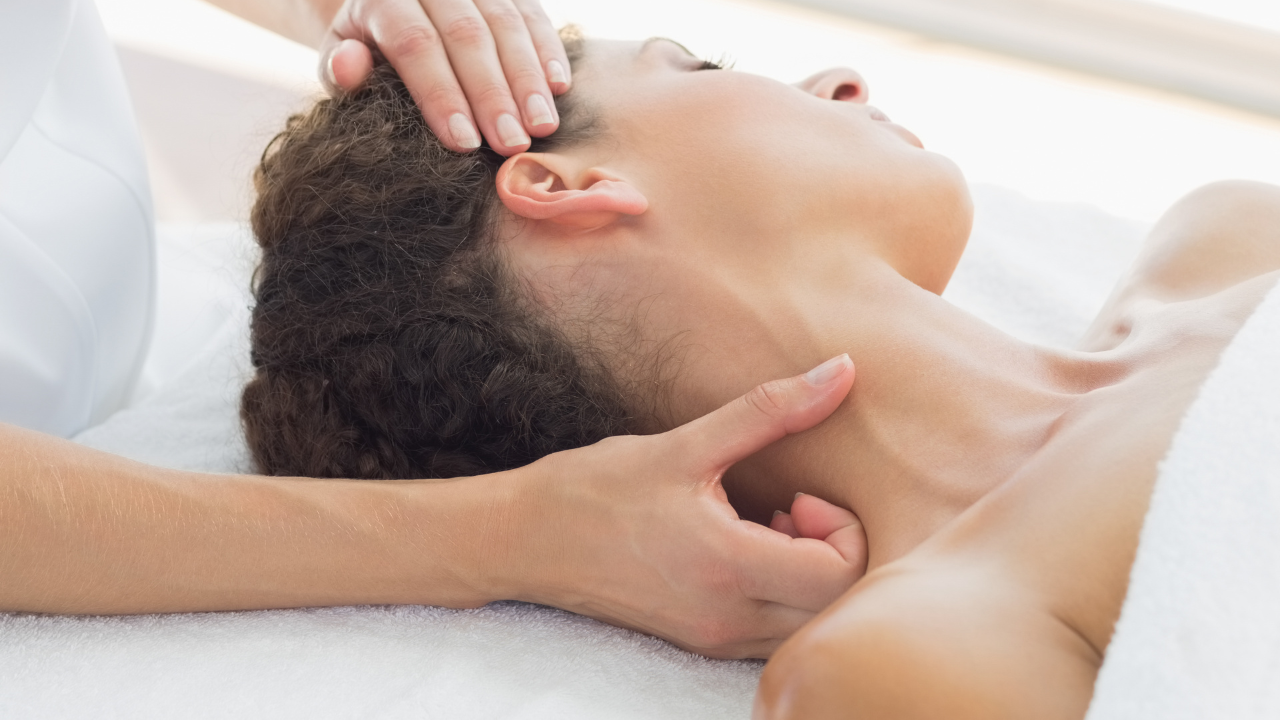
Sometimes, You Simply Need Space to Unwind
You do not need to describe your body as “dysregulated” to recognize that you feel tense, uncomfortable, or physically worn down.
Tell your RMT what you have been noticing and what you would like from your appointment.
Together, you can discuss care that is appropriate for your physical presentation while making space for comfort, choice, and a pace that feels right for you.
MEET THE PEOPLE BEHIND YOUR CARE
-
![Alecs Estralledo, RMT]()
Alecs Estralledo
REGISTERED MASSAGE THERAPIST
-
![Emanuel Fessahaye, RMT]()
Emanuel Fessahaye
REGISTERED MASSAGE THERAPIST
-
![Leanne Gall, RMT]()
Leanne Gall
REGISTERED MASSAGE THERAPIST
-
![Allan Hu, Registered Massage Therapist]()
Allan Hu
REGISTERED MASSAGE THERAPIST
-
![Ester Grace Juperatum, RMT]()
Ester Grace Juperatum
REGISTERED MASSAGE THERAPIST
-
![Janelle Jurkowski, RMT]()
Janelle Jurkowski
REGISTERED MASSAGE THERAPIST
-
![Rav Laroco, RMT]()
Rav Laroco
REGISTERED MASSAGE THERAPIST
-
![Ryzanne Laroco Kisch, RMT]()
Ryzanne Kisch
RMT | CLINIC OWNER